
What 20 DfT leaders learned about navigating transformation from Honda

At a time when the Department of Transport is undergoing one of the most significant transformations in its history, 20 senior leaders from DfT sought lessons from Honda, a company where continuous improvement and innovation aren't initiatives, but the foundation of survival.
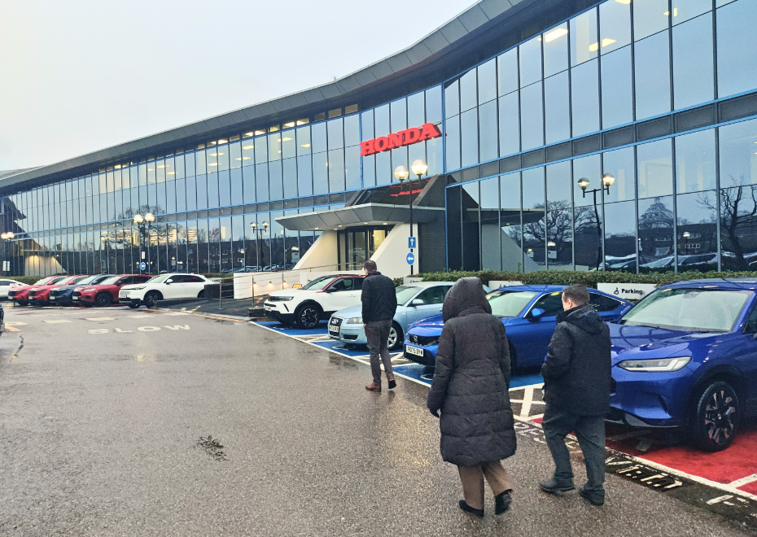
On a January morning, 20 current and future leaders from the Department for Transport arrived at Honda's headquarters in Bracknell. They had real questions about how best to manage change effectively.
DfT is juggling several shifts: working more closely with mayors and local councils, moving hundreds of staff to Great British Railways, changing how transport funding works, and supporting new housing with better transport.
These leaders wanted to see how another organisation navigates ongoing transformation culture and keep teams engaged, focused, and resilient when operating in uncertainty.
Why Honda?
DfT wanted to learn from an organisation dealing with similar complexity, and Honda fit perfectly. They're navigating massive industry changes: electric vehicles, new technologies, evolving regulations, and business restructuring. The same kind of juggling act DfT faces.
Paul Fishwick, Project Director, North of England Programme at DfT: "We wanted somewhere dealing with complexity, uncertainty, multiple challenges, lots of stakeholders. Honda felt right. And, here’s the thing: it's important to know someone else is going through this. You don't feel so alone."
What happened during the raid?
The day exposed participants to Honda's transformation journey. Honda's European President shared insights on creating a long-term strategy, maintaining vision during disruption, being open to feedback, and the importance of being able to fail and correct at speed. Executive leadership walked through transformation challenges, opportunities and the external landscape. Government Affairs explored regulatory navigation on a global scale. Procurement discussed managing relationships and complex supply chains during restructuring. Operational tours revealed how systems thinking survives upheaval and how best practices in sustainability are applied.
"They reflected on how they'd got previous change programs wrong. This was quite real-life. You're talking to people who've really done it. That’s really valuable," shares Paul.
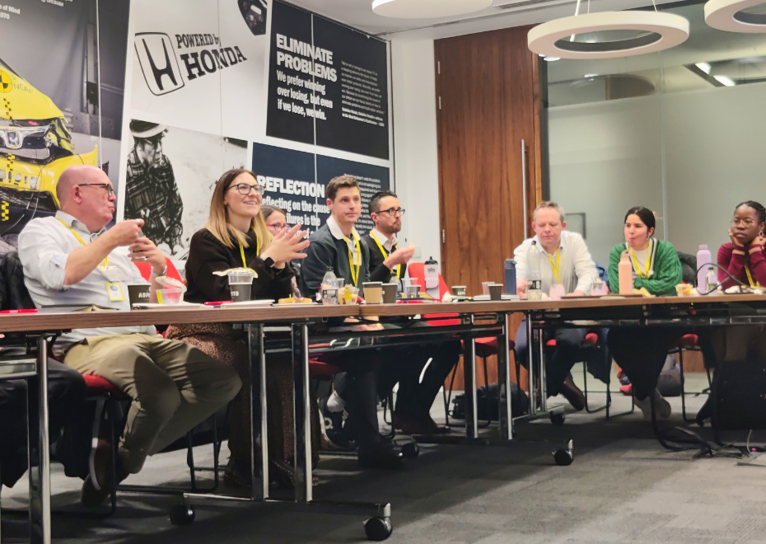
The intimate 20-person format transformed presentations into genuine peer dialogue.
Andreia Cruz-Borges, Delivery Sponsor at DfT: "We got to hear from the most senior colleagues unfiltered and raw. The smaller group allowed more questions and a more intimate feel."
What leaders are applying now through raids
Embrace "Fail early, correct fast”
Honda's "fail early, correct fast" philosophy strongly resonated with DfT leaders managing high-stakes change where every decision feels permanent. They showed that rapid iteration with clear accountability in a psychologically safe environment was the key to agility.
Honda embeds speed into decision-making through rapid feedback loops, such as the OODA loop (Observe–Orient–Decide–Act). This enables small, fast failures rather than slow, catastrophic ones, reducing the time between detecting problems, acting on them, and fixing them.
Andreia Cruz-Borges: "In government, we plan until we can't plan anymore. Honda showed me what you can actually learn from getting something wrong, and how that makes what you deliver better."
Patrick Keating, Honda's Head of Government Affairs, put it simply: “Leaders must create an environment where teams can come up with ideas that may not work the first time. But when an idea doesn’t immediately work, constructively look for ways to overcome the problem, or support your team in developing a new idea.”
Being honest about change
When organisations face uncertainty or several transformations at once, rumours and suspicion fill communication voids. Honda demonstrated that transparent communication, even when you don’t have all the answers, builds trust.
Andreia Cruz-Borges: "Being transparent and honest as a leader is vital during change. Sometimes messages don't reach everyone, and people lose motivation. Hearing real examples of how transparency affects culture was really useful."
The Honda team treats communication as core infrastructure, not an afterthought. It's two-way (listening as well as telling), repeated through multiple channels, and made relevant to different teams. Good communication, visibly modelled by senior leaders, creates the psychological safety teams need to raise problems early.
Shared challenges, ambidextrous leadership and change fatigue
Paul Fishwick asked himself: "Could I work there? Actually, yes. The skills we use aren't that different from what the senior people at Honda do. You assume the private sector won't apply. But the challenges are really similar."
During one of the sessions, leaders talked about something Honda calls "ambidextrous leadership": simultaneously delivering today while preparing for tomorrow. Honda leaders exploit current strengths (keeping the business running) while exploring future opportunities (electric vehicles, new technology). This requires clear strategic intent and governance that allows experimentation without fear of failure.
Honda also addressed a critical risk: change fatigue. When organisations run constant, poorly explained change initiatives, people disengage. Honda's approach involved making progress visible through milestones and celebrating success. They involve people in bottom-up transformation, not just top-down mandates.
Why did Honda agree to host the raid?
Patrick: "We believe in open conversation between government and industry. It helps us understand political direction, and helps officials understand the pressures our business faces. We spend too much time looking inward. Sharing our transformation story and getting feedback was really useful."
Putting knowledge into practice
The evaluation results were clear: an 87/100 satisfaction rating. As Paul Fishwick describes the raid: "Engaging, uplifting, reassuring, positive and valuable."
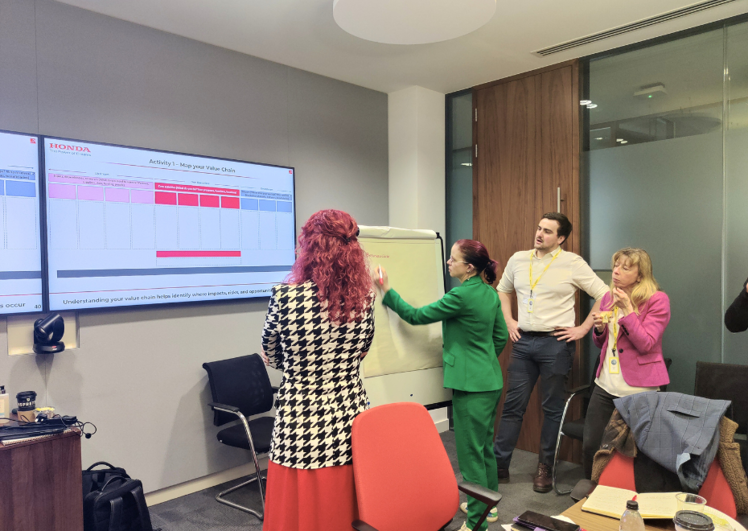
Leaders identified immediate actions they could take: applying "fail fast" approaches, being more transparent during change, and taking time to reflect on how they lead transformation.
DfT leaders are gradually applying what they learned. Some are experimenting with faster decision cycles, testing assumptions early rather than perfecting plans in isolation. Others are being more candid in their communications, sharing not just what's changing but why certain approaches failed and what they're learning.
More importantly, they are aware that they are not alone when it comes to large-scale, complex transformation in the UK.
That's what one day of open, honest knowledge sharing between sectors in a safe, trusted environment can do to drive better outcomes across organisations.
Want to experience an organisational raid?
Organisational raids take senior leaders inside organisations from different sectors for a day of immersive peer learning and unfiltered insight. Each raid is tailored to your organisational challenges, whether you're navigating restructuring, culture change, digital transformation, or managing a complex stakeholder environment.
Get in touch to explore how we can design a raid around your organisational priorities.
Written by:
As a Communications Executive, Abhushan supports the Marketing team in engaging its members and key audiences through the WIG monthly newsletter, website and multimedia content.
Abhushan has a decade of experience in journalism and over five years of expertise in development communications. Before joining WIG, he handled communications for various intergovernmental and non-profit agencies, including RIMES, UNDP Nepal, and BBC Media Action Nepal. Abhushan recently graduated with a joint Master's in journalism, media, and globalisation from Aarhus University in Denmark and the City University of London.
Outside the office, Abhushan loves to bike, play tennis and football. He also loves to cook, travel and explore new cultures.